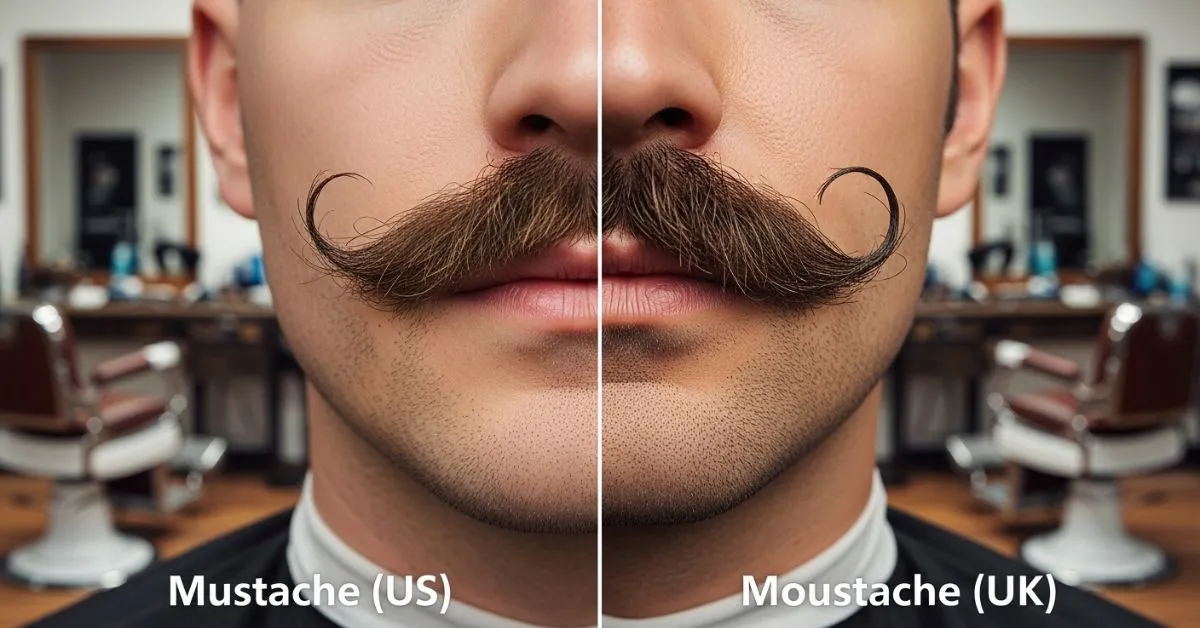
I remember the first time I wanted to write about facial hair in an article and paused at the word mustache. I had also seen it spelled moustache in magazines and British websites, and I wasn’t sure which one was correct.
For a moment, I thought I might be making a spelling mistake. To figure it out, I searched online and realized this is a very common confusion. People often wonder about this word when writing blogs, social media posts, or even emails describing style, fashion, or grooming.
After some research, I discovered the difference isn’t about right or wrong it’s regional spelling. American English prefers one spelling, while British English favors another. Once I understood that, it became much easier to write confidently.
In this guide, I’ll walk you through everything I learned: the origin of the word, spelling differences, common mistakes, real-life examples, and which version you should use depending on your audience. By the end, you’ll never have to pause again when writing mustache or moustache.
Mustache or Moustache – Quick Answer
Both mustache and moustache refer to the strip of facial hair grown on the upper lip.
- Mustache → Preferred in American English
- Moustache → Preferred in British English
Examples:
- US: “He trimmed his mustache before the meeting.”
- UK: “He trimmed his moustache before the meeting.”
Both spellings are correct; the choice depends on your audience.
The Origin of Mustache or Moustache
The word comes from the French “moustache”, which itself originated from the Italian “mostaccio” and Late Latin “mustacium.” These words described the hair grown above the lip.
When English adopted the word, British English kept the original French-inspired spelling “moustache,” while American English simplified it to “mustache” in the 19th century. The meaning stayed the same; only the spelling changed.
British English vs American English Spelling
| Region | Spelling | Example Sentence |
| American English | mustache | “His mustache looked neat and well-groomed.” |
| British English | moustache | “His moustache looked neat and well-groomed.” |
Key Rule: British English often preserves French-influenced spellings, while American English simplifies many words.
Other similar examples:
| American | British |
| color | colour |
| theater | theatre |
| mustache | moustache |
Which Spelling Should You Use?
- United States: Use mustache
- UK, Australia, Canada: Use moustache
- Global or SEO content: Either is fine, but consistency is key
For blogs, social media, or emails, choosing the spelling that matches your target audience helps maintain professionalism and clarity.
Common Mistakes with Mustache or Moustache
- Mixing spellings in one document
❌ “He shaved his mustache and moustache yesterday.”
✅ “He shaved his mustache yesterday.” - Incorrect spellings
❌ mustasch, moustasch
✅ mustache / moustache - Confusing with similar words
Words like beard, whiskers, or goatee are different and should not replace mustache/moustache.
Mustache or Moustache in Everyday Examples
Emails:
- US: “Please review the photo; his mustache looks perfect.”
- UK: “Please review the photo; his moustache looks perfect.”
News Articles:
- “The actor’s moustache received compliments from fans.”
Social Media:
- Hashtags: #MustacheMonday (US), #MoustacheStyle (UK)
Formal Writing:
- “He maintained a neat mustache according to workplace grooming standards.”
Mustache or Moustache – Google Trends & Usage Data
Search trends show clear regional differences:
- United States: “mustache” dominates search volume
- United Kingdom & Australia: “moustache” is more popular
- Global online searches: American spelling often appears slightly more in general searches
| Keyword Variation | Popularity | Region Preference |
| mustache | High | US, Philippines |
| moustache | Medium | UK, Australia, Canada |
SEO Tip: Use the spelling that matches your audience for better search visibility.
Comparison Table
| Word | Region | Example |
| mustache | American English | “He styled his mustache before the party.” |
| moustache | British English | “He styled his moustache before the party.” |
FAQs
1. Is “moustache” correct in the US?
Yes, but mustache is preferred.
2. Can I use “mustache” in the UK?
Yes, but moustache is more common in British English.
3. Do the words have different meanings?
No, both refer to facial hair grown above the lip.
4. How should I spell it on social media?
Use the spelling that matches your audience (#MustacheMonday for US, #MoustacheStyle for UK).
5. Should I be consistent with the spelling in a document?
Yes. Mixing spellings looks unprofessional.
6. Is the pronunciation different?
No, both are pronounced the same: /ˈmʌstæʃ/.
7. Can I use it metaphorically?
Yes, e.g., “He grew a mustache of wisdom” can be playful in writing.
Conclusion
Choosing between mustache and moustache is simple once you understand the regional difference. Both spellings are correct, but mustache is American English, and moustache is British English.
When writing emails, blogs, or social media posts, think about your audience first. For US readers, mustache looks natural; for UK, Australian, or Canadian audiences, moustache is preferred. Most importantly, remain consistent within your content. Understanding these spelling differences ensures your writing looks professional and polished, whether you’re discussing facial hair, style, or grooming habits.

“I’m Noah Webster, a grammar expert at Grammeriffy.com. I provide clear tips to help readers master English writing confidently.”